
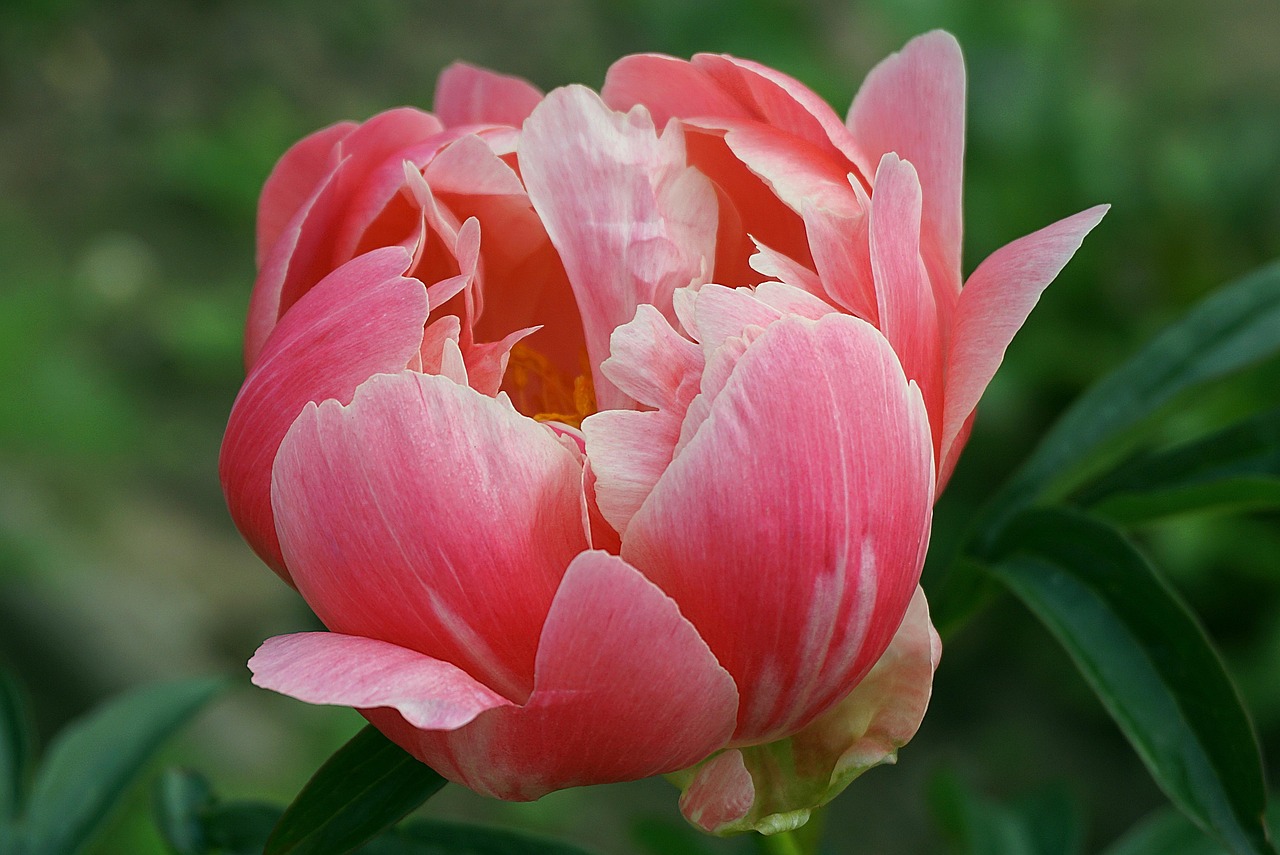
There’s something magical about peonies. Their lush, romantic blooms and intoxicating fragrance make them a garden favorite, but what happens when the cold winds of winter arrive? Many gardeners wonder if their beloved peonies will survive the harsh conditions, and the short answer is yes—with proper preparation. Understanding how these resilient plants behave during dormancy and what they need from us as caretakers can make all the difference between a struggling plant and one that returns in spring more vigorous than ever.
The objective of this article is to demystify the winter care process for peonies, helping both novice and experienced gardeners understand what these plants need during the coldest months. Whether you’re growing herbaceous peonies that die back completely or tree peonies that maintain their woody structure, winter care is essential for ensuring spectacular blooms in the seasons to come.
Understanding Peonies and Their Winter Needs
The Natural Cycle of Dormancy
Peonies are remarkably hardy perennials that actually require a period of cold dormancy to thrive. This might seem counterintuitive, but these plants have evolved to endure freezing temperatures, and in fact, they need this cold period to reset their growth cycle and develop flower buds for the following year. When we talk about care of peonies in winter, we’re really discussing how to support their natural processes rather than fighting against the season.
Most herbaceous peonies are hardy in zones 3 through 8, meaning they can withstand temperatures as low as -40°F. This incredible cold tolerance is one reason why peonies have been cherished in gardens for centuries, from ancient China to modern American landscapes. However, this doesn’t mean we should simply abandon them to winter’s whims without any preparation.
When Peonies in Season: Understanding the Growing Calendar
To properly care for peonies in winter, it helps to understand their complete annual cycle. The question of when peonies in season is important because it helps us time our care activities appropriately. Peonies typically bloom in late spring to early summer, depending on your climate zone and the specific variety. This blooming period is relatively brief—usually two to three weeks—but it’s the culmination of an entire year’s worth of growth and preparation.
After blooming, peonies spend the summer gathering energy through photosynthesis, storing nutrients in their roots for the next year. By fall, as temperatures drop and daylight decreases, the plants begin their natural decline. The foliage of herbaceous peonies turns yellow and brown, signaling that it’s time to prepare for winter. This transition period, typically occurring in October or November in most regions, is when your winter care routine should begin.
Preparing Herbaceous Peonies for Winter
The care of peonies in winter starts with proper fall cleanup. Once the first hard frost has caused the foliage to die back completely, it’s time to cut herbaceous peonies down to ground level. This step is crucial for several reasons. First, dead foliage can harbor fungal diseases and pest eggs that will overwinter and cause problems in spring. Second, removing the old growth prevents the plant from wasting energy trying to maintain dying leaves.
When cutting back peonies, use clean, sharp pruning shears and cut the stems about three inches above ground level. Dispose of all the cut foliage in the trash rather than composting it, especially if you noticed any disease issues during the growing season. After cutting, apply a two to three-inch layer of organic mulch around the base of the plant. Good options include shredded leaves, straw, or compost. This mulch layer helps moderate soil temperature fluctuations, which can be more damaging than consistent cold.
However, there’s an important caveat: don’t mulch too heavily or pile mulch directly against the crown of the plant. Peonies need exposure to cold temperatures to trigger proper bud development, and excessive mulching can actually reduce flowering the following year. Think of mulch as a blanket that moderates extremes rather than a sleeping bag that provides complete insulation.
Tree Peonies in Winter: Special Considerations
Tree peonies in winter require a slightly different approach because, unlike their herbaceous cousins, they don’t die back to the ground. These magnificent shrubs maintain their woody structure year-round, which makes them more susceptible to certain winter hazards like wind damage and desiccation.
For tree peonies, the goal is to protect the branches from winter wind and sun while still allowing the plant to experience the cold temperatures it needs. In regions with harsh winters, consider creating a windbreak using burlap wrapped around stakes placed in a circle around the plant. This shield protects against drying winds without creating the humid conditions that encourage disease.
Tree peonies in winter are particularly vulnerable to damage from heavy snow or ice accumulation on their branches. After significant snowfall, gently brush snow off the branches to prevent breakage. Never shake the plant vigorously or try to remove ice, as the branches become brittle in cold weather and can snap easily.
Another important aspect of winter care for tree peonies involves watering. In regions where winter temperatures regularly rise above freezing, water your tree peonies during dry spells. The woody stems continue to lose moisture through transpiration even in winter, and adequate soil moisture helps prevent desiccation damage that appears as brown, dried-out branches in spring.
Regional Variations in Winter Care
The specific care of peonies in winter varies somewhat depending on your climate zone. Gardeners in the coldest regions (zones 3-4) might worry about their plants, but herbaceous peonies are actually more at home here than anywhere else. The consistent cold and reliable snow cover provide ideal conditions. The main concern in very cold climates is ensuring adequate snow cover or mulch to prevent root heaving, where freeze-thaw cycles literally push plants out of the ground.
In milder climates (zones 7-8), the challenges are different. Peonies in these areas may struggle because they don’t receive enough sustained cold temperatures to satisfy their chilling requirements. If you garden in a warm climate, choose peony varieties specifically bred for warmer zones, and avoid excessive mulching, which can trap warmth and reduce the cold exposure your plants need.
Conclusion
Understanding peonies in winter transforms these seemingly delicate plants into the hardy survivors they truly are. The key insight is that peonies don’t just tolerate winter—they require it. Our role as gardeners isn’t to protect them from the cold but to support their natural dormancy cycle while preventing specific hazards like disease, excessive moisture fluctuations, and physical damage.
Whether you’re tending herbaceous peonies that disappear completely until spring or tree peonies in winter that maintain their elegant structure, the principles remain similar: clean up disease-prone debris, provide moderate protection from extremes, and trust in the plant’s remarkable resilience. The care of peonies in winter is ultimately about working with nature rather than against it.
As you look out at your winter garden, those bare spots where your peonies stood in summer glory might seem empty, but beneath the surface, amazing processes are occurring. Root systems are resting and regenerating, flower buds are developing for next season, and your plants are gathering strength for another spectacular display. Understanding when peonies in season and how their annual cycle works helps us appreciate that winter isn’t an ending—it’s an essential chapter in the story of these magnificent plants.
The next time someone asks about peonies in winter, you can share this truth: winter isn’t something peonies simply endure. It’s something they need, something they’ve evolved for over millions of years. Our job is simply to give them the space to do what they do best—survive, thrive, and prepare to take our breath away when spring arrives once again.