
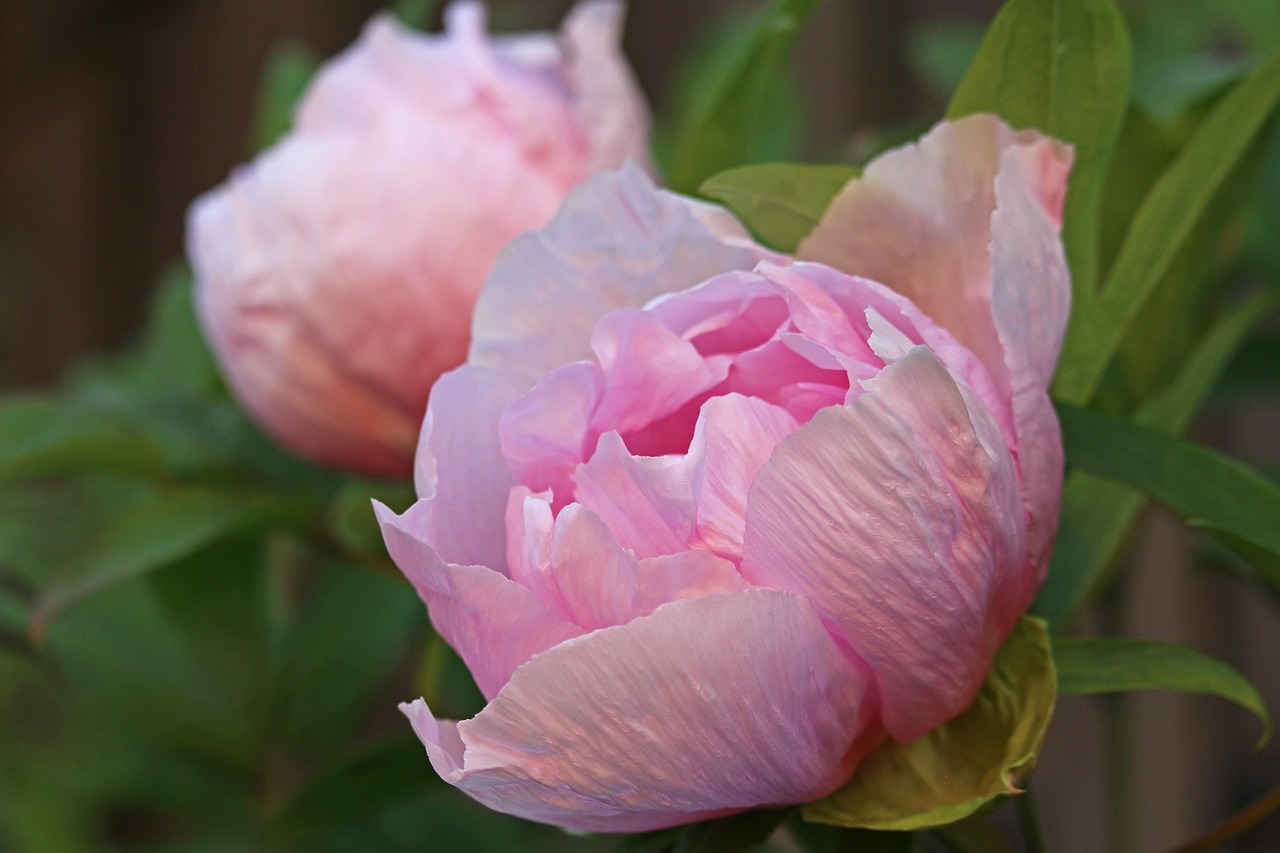
Peonies are among the most beloved perennials in any garden, known for their lush, fragrant blooms and impressive longevity. These stunning plants can thrive in the same spot for decades, sometimes even outliving the gardeners who planted them. However, there comes a time when even the most established peony might benefit from division. Whether your plant has become overcrowded, you want to propagate more peonies for other areas of your garden, or you’re simply relocating, understanding how to properly divide these treasured perennials is essential.
The objective of this article is to provide you with comprehensive guidance on dividing peonies successfully. We’ll explore the best timing for this task, walk through the step-by-step process, and share practical tips to ensure your divided peonies flourish for years to come. By the end, you’ll have the confidence to tackle this rewarding gardening project.
When to Divide Peony Plants
Timing is everything when it comes to dividing peonies. The ideal window for this task is during the fall months, specifically from late August through October, depending on your climate zone. In most regions, early to mid-September hits the sweet spot. This timing allows the roots to establish themselves before winter arrives while the plant is entering its dormant phase.
Why fall? During this period, peonies have finished blooming and are directing their energy underground. The cooler temperatures and typically moister soil conditions create an ideal environment for root development without the stress of supporting active foliage and flowers. Spring division is possible but generally less successful because the plant is gearing up for its growth season, and disturbing it can set back or even prevent blooming for a year or two.
If you live in warmer climates where winters are mild, aim for the later end of this window when temperatures begin to cool. Conversely, in colder northern regions, you’ll want to divide earlier to give roots adequate time to establish before the ground freezes solid.
Can You Divide Peonies?
Absolutely, you can divide peonies, and in fact, it’s often beneficial to do so. While peonies are perfectly content growing undisturbed for many years, there are several compelling reasons you might want to divide them. Overcrowded clumps may produce fewer blooms over time as the roots compete for nutrients and space. Division rejuvenates older plants, often resulting in more vigorous growth and better flowering.
Additionally, division is the most reliable method to propagate peonies and share them with friends or expand your own garden. Unlike growing from seed, which can take years and may not produce flowers true to the parent plant, division gives you genetically identical plants that will bloom much sooner.
That said, peonies don’t require frequent division. A healthy peony can remain in place for ten to fifteen years or even longer before division becomes necessary. Some gardeners never divide their peonies unless they want to propagate them or need to relocate the plant.
How to Divide Peonies: Step-by-Step Process
Preparation and Tools
Before you begin, gather the necessary tools: a sharp spade or garden fork, pruning shears, a sharp knife, and perhaps a hose for washing roots. Choose a cloudy day if possible, as direct sun can stress the exposed roots.
Step 1: Cut Back the Foliage
Start by cutting the peony foliage down to about three to four inches above ground level. This makes the plant easier to handle and allows you to see what you’re working with more clearly.
Step 2: Dig Up the Plant
Using your spade or garden fork, dig in a circle around the plant, staying about 12 inches away from the stems to avoid damaging the root system. Peonies have extensive root systems that spread wider than you might expect. Dig deep, at least 12 to 18 inches down, then gently lift the entire root clump from the ground. You may need to work the spade under the roots from multiple angles.
Step 3: Clean and Inspect the Roots
Once the clump is out, shake off excess soil or rinse the roots with a gentle stream of water. This helps you see the root structure clearly. Look for the “eyes” or growth buds, which appear as reddish or pinkish points on the crown of the plant. These are crucial for the plant’s regrowth.
Step 4: Divide the Crown
Using your hands or a sharp knife, divide the root clump into sections. Each division should have three to five eyes and a good portion of healthy root attached. Smaller divisions will take longer to establish and bloom, while larger ones will recover more quickly. Avoid creating divisions with fewer than three eyes, as they may struggle to thrive.
Cut away any diseased, damaged, or rotted portions of the root. Healthy peony roots are firm and tan or brown in color.
Step 5: Replanting
Prepare the new planting sites before dividing, if possible. Peonies prefer well-draining soil enriched with compost or aged manure. Dig holes that are about two feet wide and 12 to 18 inches deep.
Plant each division so that the eyes are no more than two inches below the soil surface. This depth is critical; peonies planted too deeply often fail to bloom. In warmer climates, you can plant them slightly shallower, with eyes just one inch below the surface.
Water thoroughly after planting and apply a light layer of mulch, but keep it away from the crown to prevent rot.
Essential Care After Division
Newly divided peonies need some special attention during their first year. Water regularly during dry spells, but avoid overwatering as peonies don’t like soggy conditions. Don’t be disappointed if your divisions don’t bloom the first spring after planting; it typically takes two to three years for divided peonies to reach their full flowering potential.
Resist the urge to fertilize heavily in the first year. A light application of balanced fertilizer in spring is sufficient. Too much nitrogen can encourage foliage growth at the expense of roots and flowers.
Common Mistakes to Avoid
Many gardeners make the mistake of dividing peonies at the wrong time, particularly in spring when the plant is actively growing. This often results in poor establishment and loss of blooms for multiple seasons.
Another common error is planting divisions too deep. Remember that two-inch rule for the eyes’ depth. Even an extra inch or two can mean the difference between a plant that blooms beautifully and one that produces only foliage year after year.
Finally, some people create divisions that are too small, with only one or two eyes. While these may eventually grow, they’ll take much longer to become established flowering plants.
Conclusion
Dividing peonies might seem daunting at first, but with proper timing and technique, it’s a straightforward process that yields wonderful rewards. The key takeaways are simple: divide in fall when plants are dormant, ensure each division has at least three to five eyes with healthy roots, and plant at the correct depth with eyes no more than two inches below the soil surface.
This ancient gardening practice connects us to generations of gardeners who have cherished and propagated these magnificent plants. Whether you’re rejuvenating an old clump, sharing peonies with loved ones, or simply rearranging your garden, dividing peonies allows you to multiply beauty while honoring the resilience of these remarkable perennials.
With patience and care, your divided peonies will reward you with years, even decades, of spectacular blooms. There’s something deeply satisfying about knowing that the peonies gracing your garden, or those you’ve shared with friends, carry forward a living legacy of one magnificent parent plant. So grab your spade, wait for that perfect autumn day, and give division a try. Your future garden will thank you.