
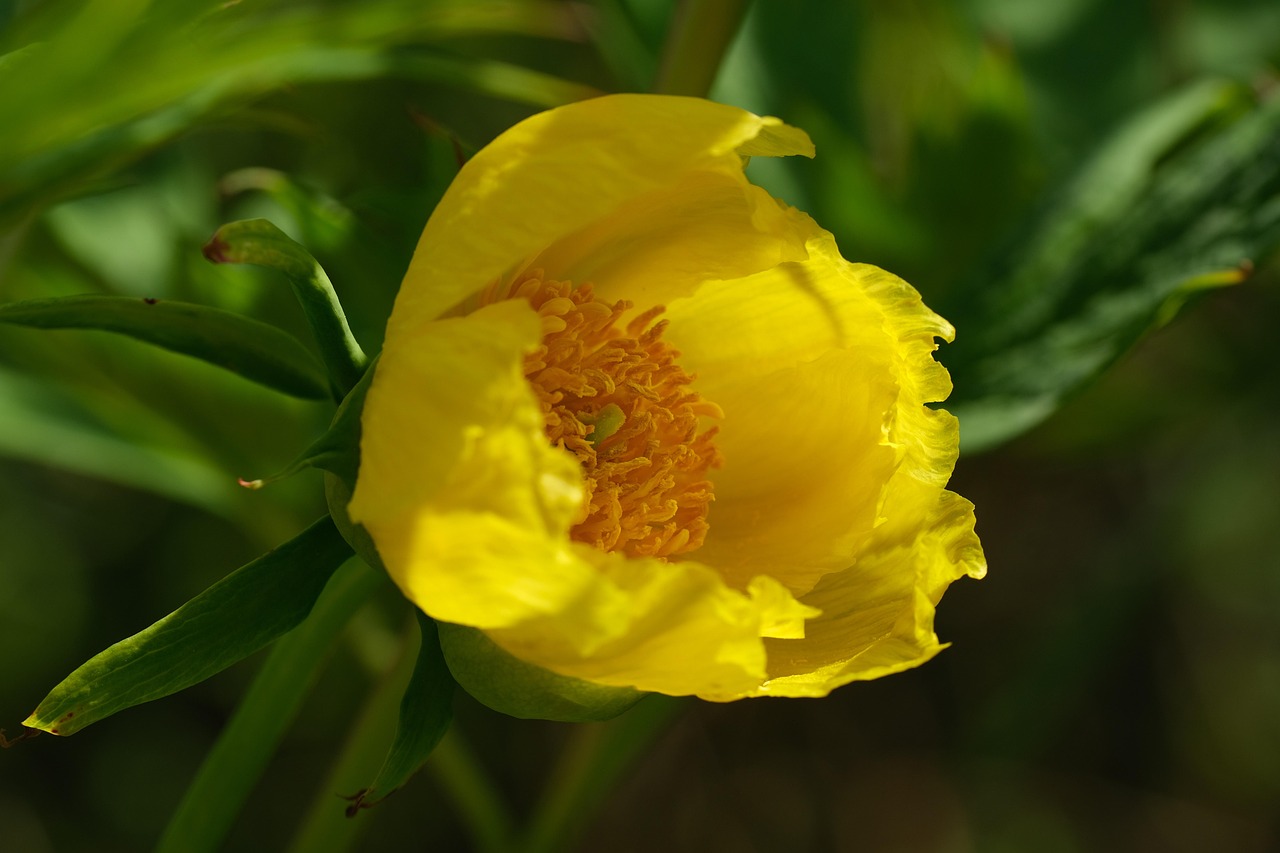
Few flowers capture the heart quite like peonies. With their lush, romantic blooms and intoxicating fragrance, these perennials have been gracing gardens for centuries, becoming a symbol of prosperity, honor, and breathtaking beauty. Whether you’ve admired them at a farmer’s market, received them in a bouquet, or simply scrolled past their stunning photos online, there’s something undeniably captivating about these flowers that makes gardeners—both novice and experienced—eager to grow their own.
However, timing is everything when it comes to establishing these garden treasures. Understanding when to plant peonies can mean the difference between years of spectacular blooms and disappointing results. This guide will walk you through the optimal planting times, explain the differences between starting from seeds versus bulbs (technically called tubers or roots), and help you create the perfect conditions for these magnificent plants to thrive in your garden for generations to come.
The Ideal Season: Fall Planting for Success
When it comes to planting peonies, fall is unquestionably the champion season. From late September through November, depending on your climate zone, the conditions align perfectly for establishing these long-lived perennials. But why is autumn so special for peonies?
The magic lies in what happens beneath the soil during those cooler months. When you plant peonies in fall, the roots have ample time to establish themselves before winter sets in. The soil is still warm enough to encourage root growth, yet the cooler air temperatures prevent the plant from putting energy into foliage development. This means all the plant’s resources go exactly where you want them—into building a strong, healthy root system that will support years of blooming.
Additionally, peonies actually require a period of cold dormancy to bloom properly. Most varieties need between 30 to 40 days of temperatures below 40°F to set their flower buds for the following spring. By planting in fall, you’re working with the plant’s natural cycle rather than against it. The roots settle in during autumn, experience their necessary chill period through winter, and emerge ready to produce those spectacular blooms come spring.
When to Plant Peonies Bulbs: Timing and Technique
Let’s clarify something important: what many people call peony “bulbs” are actually tuberous roots or bare-root divisions. These thick, fleshy roots with prominent pink or white buds (called “eyes”) are the most common and reliable way to grow peonies.
When to plant peonies bulbs depends largely on your geographic location. In USDA hardiness zones 3-7, aim for late September through October. If you’re in warmer zones 8-9, you might need to wait until November when the soil has cooled sufficiently. The key indicator is soil temperature—you want it to have dropped but not yet frozen solid.
Here’s what makes fall planting so successful: the soil has accumulated warmth throughout summer and early fall, providing an ideal environment for root establishment. At the same time, the decreasing daylight and cooler nights signal to the plant that it’s time to focus on roots, not shoots. This natural synchronization gives your peonies the best possible start.
When planting, choose a location that receives at least six hours of sunlight daily. Peonies are sun lovers, and insufficient light is one of the primary reasons they fail to bloom. Dig a hole about 12-18 inches deep and wide, amending the soil with compost to improve drainage. Here’s a crucial detail that trips up many gardeners: plant the eyes (those pink buds on the roots) only 1-2 inches below the soil surface. Planting too deep is the number one reason peonies don’t bloom, as they need their eyes relatively close to the surface to properly break dormancy and flower.
When to Plant Peonies Seeds: The Patient Gardener’s Path
Growing peonies from seed is an entirely different journey—one that requires patience, dedication, and realistic expectations. When to plant peonies seeds involves understanding a more complex timeline than simply tucking roots into autumn soil.
Peony seeds require a very specific process called stratification, which mimics natural conditions. In nature, seeds drop from the plant in late summer, experience warm fall temperatures, then endure winter cold, and finally germinate in spring. To replicate this, most gardeners collect or purchase fresh seeds in late summer and begin the stratification process immediately.
The process works like this: first, the seeds need a warm period of about two to three months at temperatures around 70-75°F to develop their root system. Then they require a cold period of another two to three months at 35-40°F to break dormancy and prepare to sprout. Only after both temperature cycles do seeds typically germinate in the following spring.
If you’re planting peony seeds outdoors, sow them in late summer or early fall, about half an inch deep in prepared soil. The natural temperature fluctuations will handle the stratification for you, though germination may take a full year or even longer. Keep the area marked and protected, as it’s easy to forget where those tiny seeds are waiting patiently underground.
Here’s the reality check: peonies grown from seed take significantly longer to bloom than those started from divisions—typically five to seven years before you see your first flower. Why would anyone choose this method? Some gardeners enjoy the challenge and anticipation, while others are interested in developing new varieties through hybridization. For most home gardeners, however, starting with bare-root divisions offers much faster gratification.
Spring Planting: A Secondary Option
While fall planting reigns supreme, you can plant peonies in spring if necessary, particularly in early spring as soon as the ground is workable. Many garden centers sell potted peonies in spring, capitalizing on that seasonal gardening enthusiasm.
Spring-planted peonies face different challenges. They wake up in their new location and immediately need to juggle establishing roots while also producing foliage and sometimes even blooms. This divided energy often means slower establishment and potentially no flowers the first year. The plants may also experience more transplant shock and require extra watering attention throughout their first summer.
If spring planting is your only option, do it as early as possible—late March through April in most regions. This gives the roots maximum time to settle before summer heat arrives. Be prepared to pamper these spring transplants with consistent moisture and perhaps some afternoon shade protection during their first season.
Creating the Perfect Environment
Regardless of when you plant, success with peonies depends on site selection and soil preparation. These are plants that can live for 50, even 100 years in the right location, so it’s worth investing time in getting conditions right from the start.
Peonies demand excellent drainage. They cannot tolerate “wet feet” and will develop root rot in soggy conditions. If your soil is heavy clay, consider building raised beds or mounding the planting area to ensure water doesn’t pool around the roots. Sandy loam amended with organic matter provides ideal conditions—moisture-retentive enough to support the plant, but free-draining enough to prevent problems.
Soil pH should be slightly acidic to neutral, around 6.5 to 7.0. A simple soil test from your local extension office can confirm your levels and suggest any necessary amendments. Peonies are moderate feeders, so incorporating well-aged compost or a balanced fertilizer at planting time gives them a nutritional foundation.
Space is another consideration. Herbaceous peonies eventually reach 3-4 feet in diameter, while tree peonies can grow even larger. Plant them at least three feet apart and away from competing tree roots. Remember, these plants may outlive you—give them room to mature into their full glory.
Common Mistakes and How to Avoid Them
Even experienced gardeners sometimes stumble with peonies. The most frequent error, as mentioned, is planting the eyes too deep. If you can remember just one rule, make it this: eyes should be 1-2 inches below the soil surface, no more. Mark the planting depth on your shovel handle before digging if it helps.
Another mistake is moving or dividing peonies too frequently. These plants resent disturbance and may take a year or two to recover and bloom after being transplanted. Once you’ve found a good spot, let them settle in for the long haul.
Impatience also defeats many peony growers. Newly planted peonies often don’t bloom their first year, and that’s completely normal. They’re busy establishing roots and adjusting to their new environment. Give them time—usually by the second or third year, you’ll be rewarded with flowers that make the wait worthwhile.
Conclusion
Understanding when to plant peonies is fundamental to success with these extraordinary perennials. Fall emerges as the clear winner for planting times, offering ideal conditions for root establishment and aligning perfectly with the plant’s natural growth cycle. When to plant peonies bulbs centers on those cooler autumn months from September through November, when soil temperatures encourage roots to develop without triggering premature top growth.
For the adventurous gardener wondering when to plant peonies seeds, the answer involves patience and a commitment to the stratification process, understanding that seed-grown plants represent a multi-year investment before blooms appear.
The beauty of peonies lies not just in their spectacular flowers, but in their permanence. Unlike many garden plants that require replacement every few years, properly planted peonies become fixtures in your landscape, marking time and seasons with their reliable return each spring. They bloom for graduations and weddings, witness children growing up, and often get passed down through generations along with the gardens they inhabit.
As you prepare to add peonies to your garden, remember that the small effort of planting at the right time yields decades of rewards. Those cool autumn days spent tucking roots into the earth are an investment in beauty that will pay dividends every spring for years to come. Whether you’re planting your first peony or adding to an established collection, respect the timing, prepare the site thoughtfully, and then step back to let these remarkable plants work their magic. The wait is always worth it.