
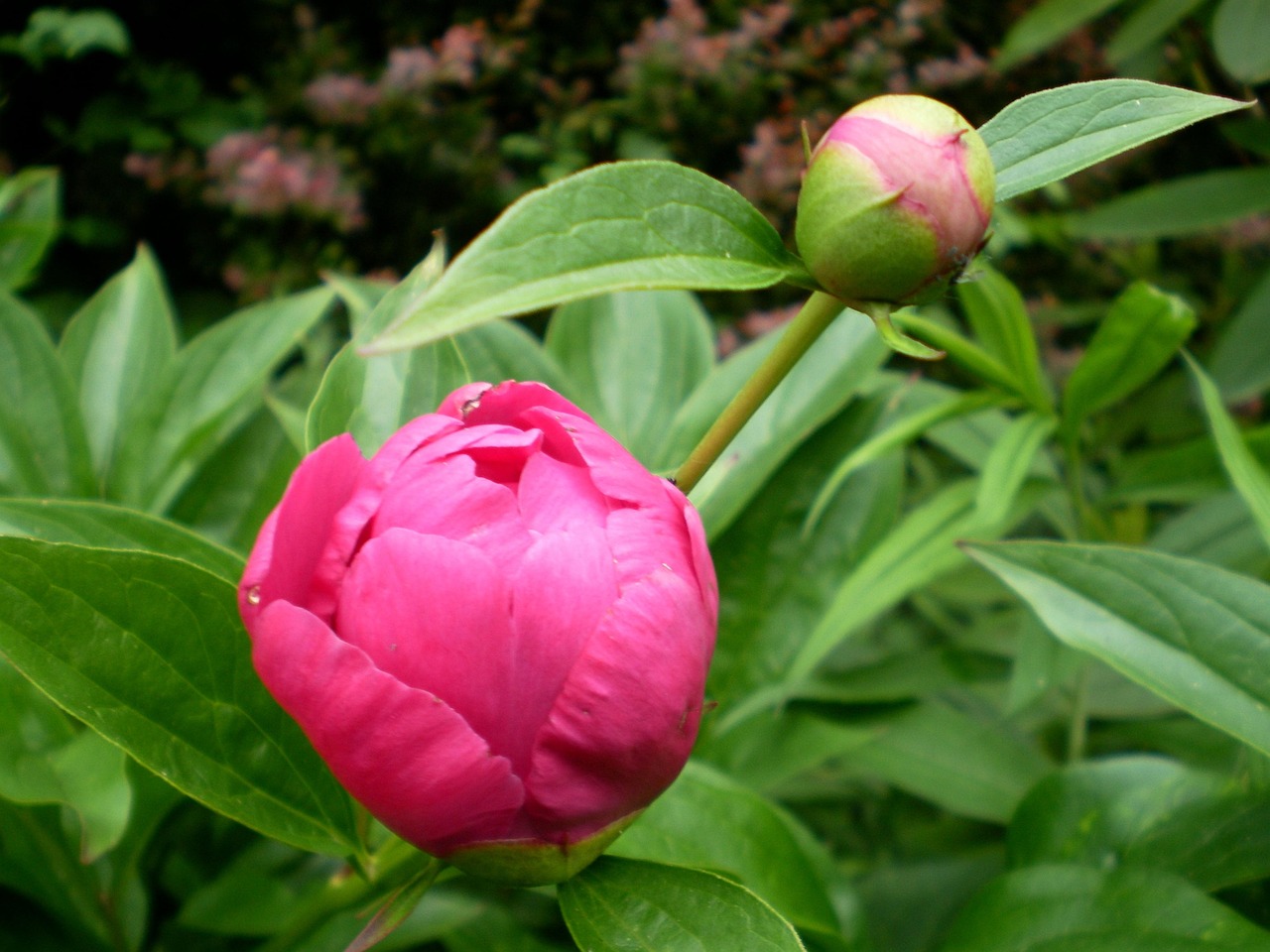
There’s something magical about peonies. These lush, romantic flowers have captivated gardeners for centuries with their enormous blooms, intoxicating fragrance, and incredible longevity. A well-planted peony can thrive for decades, even outliving the gardener who planted it. But here’s the thing: timing is everything when it comes to establishing these beloved perennials in your garden.
If you’ve ever wondered when the perfect moment is to plant peonies, you’re not alone. This question puzzles both novice and experienced gardeners alike. The good news? Once you understand the fundamentals of peony planting timing, you’ll be well on your way to cultivating these showstopping flowers successfully. In this article, we’ll explore the optimal planting windows, address common concerns about growing peonies, and share practical tips to help your peonies flourish for generations to come.
Understanding the Best Time to Plant Peonies
Fall: The Golden Window
The absolute best time to plant peonies is in the fall, typically from late September through October in most regions. In warmer climates, you might extend this window into early November. Why fall? This timing allows the roots to establish themselves before winter dormancy sets in, giving your peonies a strong foundation for spring growth.
When you plant in autumn, the soil is still warm enough to encourage root development, but the cooler air temperatures prevent the plant from putting energy into top growth. This is exactly what you want. The peony focuses all its energy underground, building a robust root system that will support those magnificent blooms come spring.
Think of it this way: fall planting gives your peonies a head start. They wake up in spring already established and ready to grow, rather than spending their first season just trying to settle in.
Spring Planting: A Secondary Option
Can you plant peonies in spring? Yes, but it comes with caveats. If you missed the fall planting window or received a peony as a gift in spring, you can still plant it, ideally in early spring as soon as the ground is workable. However, spring-planted peonies typically lag behind their fall-planted counterparts by a full growing season.
The challenge with spring planting is that peonies planted in warmer weather must simultaneously establish roots and support top growth. This divided energy means they’re more vulnerable to stress, may not bloom in their first year, and require extra attention to watering during their first summer.
Are Peonies Hard to Grow?
Here’s some refreshing honesty: are peonies hard to grow? Not at all, but they do have specific preferences. Peonies are actually quite forgiving once established, which is why they’re often found thriving in century-old gardens and abandoned homesteads. However, they’re not fans of change, and they can be particular about their initial planting conditions.
The key to success lies in getting three things right from the start: planting depth, location, and soil preparation. Plant your peony tubers too deep, and they may never bloom. Choose a shady spot, and you’ll get lovely foliage but disappointing flowers. Skimp on soil preparation, and growth will be sluggish.
But get these fundamentals right, and peonies are remarkably low-maintenance. They don’t require deadheading for continued blooming, they’re long-lived perennials that don’t need frequent dividing, and they’re generally resistant to most common garden pests. Many gardeners find them easier than roses, which require far more fussing and attention.
Essential Planting Guidelines
Choose Your Location Wisely
Peonies need full sun—at least six hours of direct sunlight daily—to produce those abundant blooms. Morning sun is particularly beneficial as it helps dry the dew from the leaves, reducing disease risk. While peonies can tolerate partial shade, bloom production will suffer noticeably.
Good air circulation is equally important. Don’t crowd your peonies or plant them too close to buildings or other large plants. This breathing room helps prevent moisture-related issues and keeps your plants healthy.
Get the Depth Right
This is crucial: peony eyes (the growing points on the tuber) should be planted only one to two inches below the soil surface. This shallow planting depth is counterintuitive for many gardeners used to planting bulbs deeply, but it’s non-negotiable for peonies. Plant too deep, and your peony may grow beautiful foliage but refuse to bloom, sometimes for years.
Prepare the Soil Properly
Peonies prefer rich, well-draining soil with a slightly acidic to neutral pH. Before planting, work plenty of organic matter into your soil—compost, aged manure, or leaf mold all work beautifully. Dig a generous hole, at least 18 inches deep and wide, to give those roots room to spread.
If your soil tends to be heavy clay or poorly draining, consider creating a raised bed or mounding up the soil. Peonies absolutely despise wet feet, and soggy conditions invite root rot and other problems.
Navigating Peony Plant Diseases
While peonies are generally robust, they’re not immune to problems. Understanding peony plant diseases helps you prevent issues before they start and recognize trouble when it appears.
The most common culprit is botrytis blight, a fungal disease that causes stems to wilt and buds to turn brown and fail to open. This disease thrives in cool, wet spring weather and overcrowded conditions. Prevention involves proper spacing, good air circulation, and cleaning up any fallen foliage in autumn.
Powdery mildew can also affect peonies, particularly in late summer. It appears as a white, powdery coating on leaves but rarely causes serious harm. It’s more unsightly than dangerous, though severe cases can weaken plants over time.
Root rot is perhaps the most serious issue, usually resulting from poorly draining soil or planting too deeply. Prevention is essential because once root rot sets in, there’s little you can do except remove the affected plant and improve drainage before replanting.
The good news? Most peony plant diseases are preventable through proper planting practices, adequate spacing, and basic garden hygiene. Remove and destroy any diseased plant material rather than composting it, and you’ll minimize disease pressure in your garden.
Long-Term Care for Thriving Peonies
Once established, peonies ask for very little. Water deeply during dry spells, especially in their first few years. Apply a balanced fertilizer in early spring as growth emerges, and again after blooming. Support taller varieties with peony rings or stakes to prevent those heavy blooms from toppling.
In fall, cut back foliage after the first hard frost when it has died back naturally. This reduces overwintering sites for diseases and pests. Avoid cutting back green foliage earlier, as the plant needs this time to photosynthesize and store energy for next year’s blooms.
Patience is perhaps your most important tool. Newly planted peonies often take two to three years to bloom abundantly. The old gardening saying goes, “First year they sleep, second year they creep, third year they leap.” This is absolutely true for peonies. Don’t be discouraged if your first-year peony looks modest—it’s investing in its future.
Conclusion
Planting peonies at the right time sets the stage for decades of breathtaking blooms. Fall planting, ideally in September or October, gives these perennials the best possible start by allowing root establishment before winter. While spring planting is possible, autumn-planted peonies consistently outperform their spring-planted cousins.
Are peonies hard to grow? Only if you ignore their fundamental needs. But respect their preferences for full sun, shallow planting, and well-draining soil, and they’ll reward you with minimal fuss and maximum impact. With basic attention to preventing peony plant diseases through proper spacing and good garden hygiene, these stunning perennials will grace your garden for generations.
The beauty of peonies lies not just in their spectacular flowers, but in their permanence. In our fast-paced world, there’s something deeply satisfying about planting something that will outlast trends, seasons, and perhaps even ourselves. So grab your spade this fall, plant those tubers at just the right depth, and look forward to years of those incomparable blooms. Your future self—and possibly your grandchildren—will thank you.