
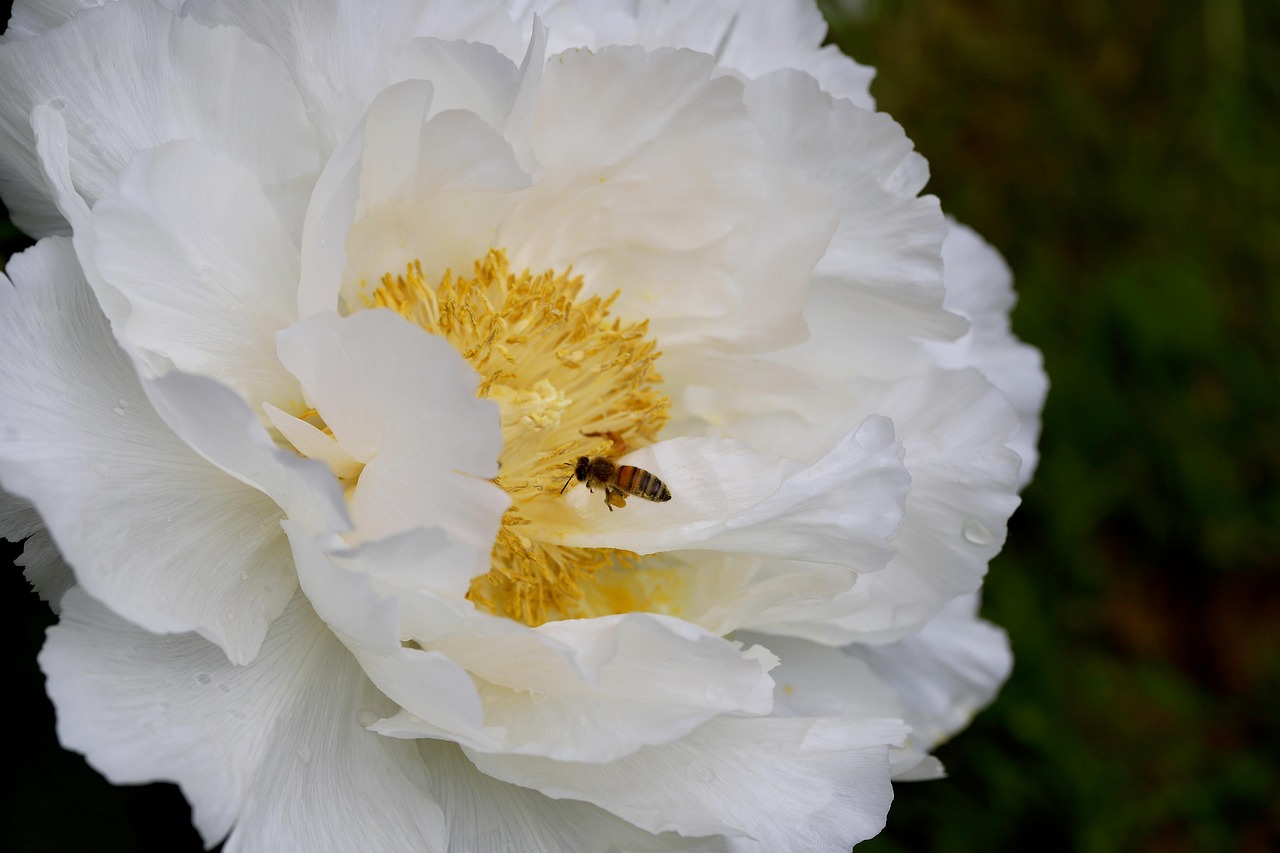
There’s something genuinely heartbreaking about walking into your garden in late spring, expecting to see those magnificent peony blooms you’ve been dreaming about all winter, only to find nothing but green foliage staring back at you. If you’ve found yourself asking “why won’t my peony bloom?” you’re certainly not alone. This frustrating situation affects countless gardeners every year, from beginners to experienced growers who thought they had everything figured out.
The good news is that peonies not flowering is almost always a solvable problem. These resilient perennials are actually quite forgiving once you understand what they need. The objective of this article is to walk you through the most common reasons why peonies fail to bloom and provide you with practical, actionable solutions that will help you enjoy those stunning flowers you’ve been waiting for. Whether you’re dealing with a newly planted peony or one that’s been in your garden for years, we’ll explore the key factors that influence blooming and how to address each one.
Understanding When Peonies Bloom
Before we dive into troubleshooting, it’s helpful to understand when peonies bloom naturally. Most herbaceous peonies bloom in late spring to early summer, typically from May through June, depending on your climate zone and the specific variety you’re growing. Tree peonies tend to bloom slightly earlier, while intersectional (Itoh) peonies fall somewhere in between.
The timing matters because patience is often the first requirement for peony success. Newly planted peonies, whether from bare root divisions or potted plants, commonly take two to three years to produce their first substantial blooms. This waiting period can feel eternal, but it’s completely normal. The plants are busy establishing robust root systems underground, which is essential for supporting those heavy, gorgeous flowers later on.
Why Are My Peonies Not Blooming?
Let’s explore the most common culprits behind non-blooming peonies, starting with one of the biggest mistakes gardeners make.
Planting Depth Issues
The number one reason for peonies not flowering is improper planting depth. Peonies are surprisingly particular about this. If planted too deeply, they’ll happily produce lush, beautiful foliage year after year while refusing to bloom. The “eyes” (those reddish buds on the crown) should be positioned no more than two inches below the soil surface in most climates. In warmer southern regions, one inch or even slightly less is better.
I’ve seen gardeners add mulch year after year without realizing they’re gradually burying their peony crowns deeper and deeper. If you suspect depth is your issue, early fall is the perfect time to carefully dig up your peony, divide it if needed, and replant it at the correct depth. Yes, this means waiting another year or two for blooms, but it’s worth it for decades of flowers afterward.
Insufficient Sunlight
Peonies are sun worshipers. They need at least six hours of direct sunlight daily to bloom well, and eight hours is even better. That spot that was sunny when you planted your peony five years ago might now be shaded by a growing tree. Or perhaps you planted it in partial shade thinking it would be fine—many plants tolerate some shade, but peonies really don’t when it comes to flowering.
If lack of sun is your problem, you have two options: prune back overhanging branches to let in more light, or move the peony in early fall. Moving established peonies isn’t ideal since it resets the blooming clock, but sometimes it’s necessary.
Youth and Patience
As mentioned earlier, young peonies simply need time. If your plant is under three years old, the solution is patience. Make sure you’re providing good care—adequate water, proper fertilization, and protection from pests—and let the plant mature. Some varieties are slower than others, and certain colors (particularly the coveted coral shades) can take even longer to reach blooming maturity.
Poor Nutrition and Soil Conditions
Peonies aren’t heavy feeders, but they do appreciate good soil. If your soil is severely depleted or has an extreme pH, flowering can be affected. A soil test can reveal issues, but generally, peonies prefer neutral to slightly alkaline soil with good drainage. Heavy clay that stays waterlogged can rot the roots, while extremely sandy soil may not retain enough nutrients.
A balanced fertilizer applied in early spring, just as shoots emerge, and again after blooming can make a significant difference. Avoid high-nitrogen fertilizers, which encourage leaf growth at the expense of flowers. Instead, look for formulations with a bit more phosphorus (the middle number) to support blooming.
Competition and Overcrowding
Peonies don’t like competition. If you’ve planted them too close to aggressive perennials, shrubs, or trees, they may not bloom well. Those roots underground are battling for resources, and peonies often lose. Additionally, peony clumps themselves can become overcrowded after many years, with too many shoots competing for resources. Division every 10-15 years helps rejuvenate old clumps.
Late Frost Damage
This one’s heartbreaking because there’s little you can do about it. Peonies set their flower buds in the previous season, and those buds emerge in spring ready to bloom. If a late frost hits after buds have formed, it can damage or kill the flower buds while leaving the foliage unharmed. The result is a plant that looks healthy but produces no flowers that year. The silver lining is that this is temporary—barring another late frost, your peonies should bloom normally the following year.
How to Get Peonies to Bloom
Now that we’ve identified the problems, let’s talk solutions. Getting peonies to bloom consistently requires attention to a few key practices.
Proper Care Throughout the Season: Water deeply but infrequently during dry spells, especially in the weeks leading up to blooming. Avoid overhead watering if possible, as wet foliage can encourage fungal diseases. After your peonies finish blooming, deadhead the spent flowers but leave the foliage intact until fall. Those leaves are producing energy that’s stored in the roots for next year’s blooms.
Fall Cleanup: Cut herbaceous peony foliage down to ground level after it’s been killed by frost in fall. This helps prevent disease issues. Don’t cut tree peonies down—they bloom on old wood.
Fertilization Strategy: Feed in early spring when shoots are just emerging, and consider a second, lighter feeding after blooming finishes. Bone meal worked into the soil at planting time provides slow-release phosphorus that supports blooming.
Protection from Pests: Ants on peony buds are harmless and don’t need treatment, but thrips and other insects that damage buds should be managed. Similarly, if you notice botrytis blight (a fungal disease causing brown spots and wilting), remove affected plant parts immediately and improve air circulation.
Strategic Timing: If you need to move or divide a peony, do it in early fall (late August through September in most zones). This gives the plant time to establish before winter and minimizes the disruption to the blooming cycle.
Conclusion
Dealing with peonies not blooming can test any gardener’s patience, but understanding the underlying causes makes all the difference. Whether your issue is planting depth, sunlight, youth, nutrition, competition, or frost damage, there’s almost always a path forward. The key takeaway is that peonies are long-lived perennials that reward proper care with decades of spectacular blooms—but only if we meet their specific needs.
Take the time to honestly assess your peony’s growing conditions. Is it truly getting enough sun? Is it planted at the right depth? Is it mature enough to bloom? Sometimes the solution is as simple as waiting another season, while other times it requires the effort of moving or replanting. Whatever the case, the work is worth it.
Remember that gardening is as much about patience and observation as it is about action. Your peonies are communicating with you through their growth patterns and behavior. By learning to read these signals and responding appropriately, you’ll develop a deeper relationship with your garden and ultimately enjoy those breathtaking blooms that make peonies one of the most beloved perennials in the world. Give them what they need, be patient, and trust that your efforts will be rewarded with armfuls of fragrant, magnificent flowers for years to come.