
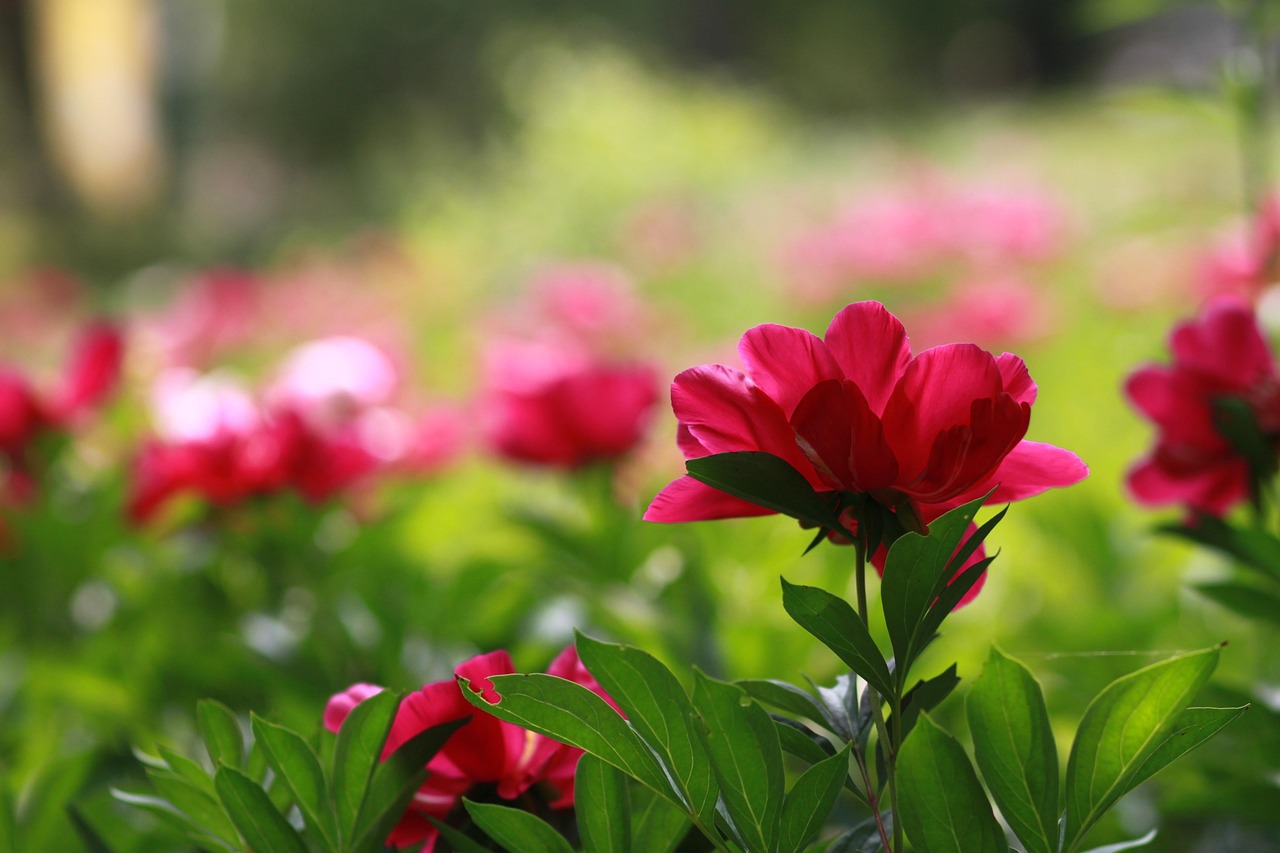
There’s something absolutely magical about peonies. When those lush, ruffled blooms finally open in late spring, it feels like nature is putting on its most extravagant show just for you. I still remember the first time I successfully grew peonies in my garden—the anticipation of watching those tight buds gradually unfold into dinner-plate sized flowers was almost unbearable. But here’s the thing: while peonies have a reputation for being a bit finicky, they’re actually quite forgiving once you understand their needs.
The objective of this guide is simple: to help you master how to care peonies so these perennial favorites thrive in your garden for decades. Yes, decades! These plants are known to outlive their gardeners, passing from generation to generation when given proper care. Whether you’re a first-time gardener or looking to improve your existing peony patch, this comprehensive guide will walk you through everything from selecting the right location to post-bloom maintenance.
Understanding Peonies Growing Conditions
Let’s start with the foundation: knowing where and how peonies like to live. Think of peonies as plants with specific preferences—not demands, just preferences. They’re like that friend who’s easygoing most of the time but has a few non-negotiables.
Climate and Peonies Grown Zone
First things first: peonies grown zone requirements are crucial to your success. These plants are remarkably hardy and thrive in USDA hardiness zones 3 through 8. What does this mean for you? If you live anywhere from the northern reaches of Minnesota to the mid-South, you’re in luck. Peonies actually need that winter chill—they require a period of cold dormancy to produce those spectacular blooms. Areas with mild winters often disappoint peony enthusiasts because the plants simply won’t flower without adequate cold exposure.
If you’re in zone 9 or warmer, don’t despair entirely. Some varieties are bred for warmer climates, though your selection will be more limited. The key is understanding that peonies are cold-weather lovers at heart.
Light, Soil, and Space Requirements
When it comes to peonies growing conditions, sunlight is your best friend. These plants are sun worshippers, needing at least six hours of direct sunlight daily to produce abundant blooms. In my experience, full sun exposure—meaning eight or more hours—yields the most impressive results. I’ve seen peonies struggle in partial shade, producing lots of foliage but disappointingly few flowers.
Soil quality matters immensely. Peonies prefer well-draining soil that’s rich in organic matter. They’re not fans of wet feet, so if your garden tends to hold water, consider amending the soil with compost or even creating a raised bed. The pH should be slightly acidic to neutral, hovering around 6.5 to 7.0. Before planting, I always recommend working in some aged compost or well-rotted manure to give your peonies the nutrient-rich environment they crave.
Space is another consideration that many new gardeners overlook. Plant your peonies about three feet apart. They need good air circulation to prevent fungal diseases, and trust me, they’ll fill in that space beautifully over time.
How to Care Peonies Throughout the Growing Season
Once your peonies are established, they’re surprisingly low-maintenance. But there are some key practices that will keep them healthy and blooming year after year.
Watering and Feeding
During the growing season, peonies appreciate consistent moisture, especially when they’re developing buds. Water deeply once a week if rainfall is scarce, aiming for about an inch of water. However, avoid overhead watering when possible—it can promote fungal issues. Instead, use a soaker hose or drip irrigation at the base of the plants.
Fertilizing doesn’t need to be complicated. A balanced, low-nitrogen fertilizer applied in early spring and again after flowering is sufficient. I use a 5-10-10 formula because the lower nitrogen content promotes blooms rather than just leafy growth. Some gardeners swear by bone meal worked into the soil at planting time, and while it does provide phosphorus for root development, don’t overdo it.
Staking and Support
Here’s a reality check: those massive blooms can be heavy, especially after a spring rain. Many gardeners find that their beautiful flowers end up face-down in the mud without proper support. I learned this lesson the hard way during my first peony season. Now I install peony rings or cages early in spring when the shoots are still small. As the plants grow, they’ll fill in around the support, making it nearly invisible while keeping those precious blooms upright.
Pest and Disease Management
Peonies are generally robust, but they’re not immune to problems. Watch for botrytis blight, which appears as brown spots on leaves and buds. Good air circulation and avoiding overhead watering are your best prevention strategies. If you spot affected areas, remove and destroy them immediately—don’t compost diseased material.
Ants on peony buds are common and actually harmless. They’re attracted to the sweet nectar the buds produce, and contrary to old garden myths, they don’t help the flowers open. They’re just enjoying a snack.
Peonies Care After Flowering
This phase is often neglected, but peonies care after flowering is essential for next year’s performance. Here’s what you need to know.
Deadheading and Foliage Care
Once the flowers fade, resist the urge to cut back all the foliage. Those leaves are still working, photosynthesizing and sending energy back to the roots to fuel next spring’s blooms. Deadhead the spent flowers by cutting them just below the bloom to keep the plant looking tidy and prevent seed formation, which can drain energy.
Leave the foliage intact until it naturally yellows and dies back in fall. In my garden, this usually happens after the first hard frost. At that point, cut the stems down to about three inches above ground level. This cleanup helps prevent disease spores from overwintering in dead plant material.
Fall Preparation
Before winter sets in, add a two-inch layer of compost around your peonies. This provides nutrients for spring and helps moderate soil temperature fluctuations. Avoid heavy mulching directly over the crown, as this can delay spring emergence and potentially cause rot.
Conclusion
Growing peonies successfully comes down to understanding their fundamental needs and respecting their growth cycle. These aren’t plants that respond well to constant fussing or complicated care regimens. Instead, they reward patience, proper siting, and consistent basic care with decades of breathtaking blooms.
Remember the key points: plant them in the right peonies grown zone with excellent peonies growing conditions—full sun and well-draining soil. Master how to care peonies during their active growth, providing adequate water and support. Don’t neglect peonies care after flowering, as this post-bloom period sets the stage for next year’s display.
Perhaps the most beautiful thing about peonies is that they’re an investment in the future. They may take a year or two to become fully established—there’s an old saying that peonies “sleep, creep, then leap”—but once they hit their stride, they’ll reward you with ever-increasing floral abundance. In a world of instant gratification, there’s something deeply satisfying about tending a plant that will outlive most of your other garden inhabitants, creating memories and possibly becoming a cherished heirloom for future generations of gardeners in your family.
So take the plunge. Plant some peonies. Give them what they need, step back, and prepare to be amazed each spring when those magnificent blooms unfurl once again.