
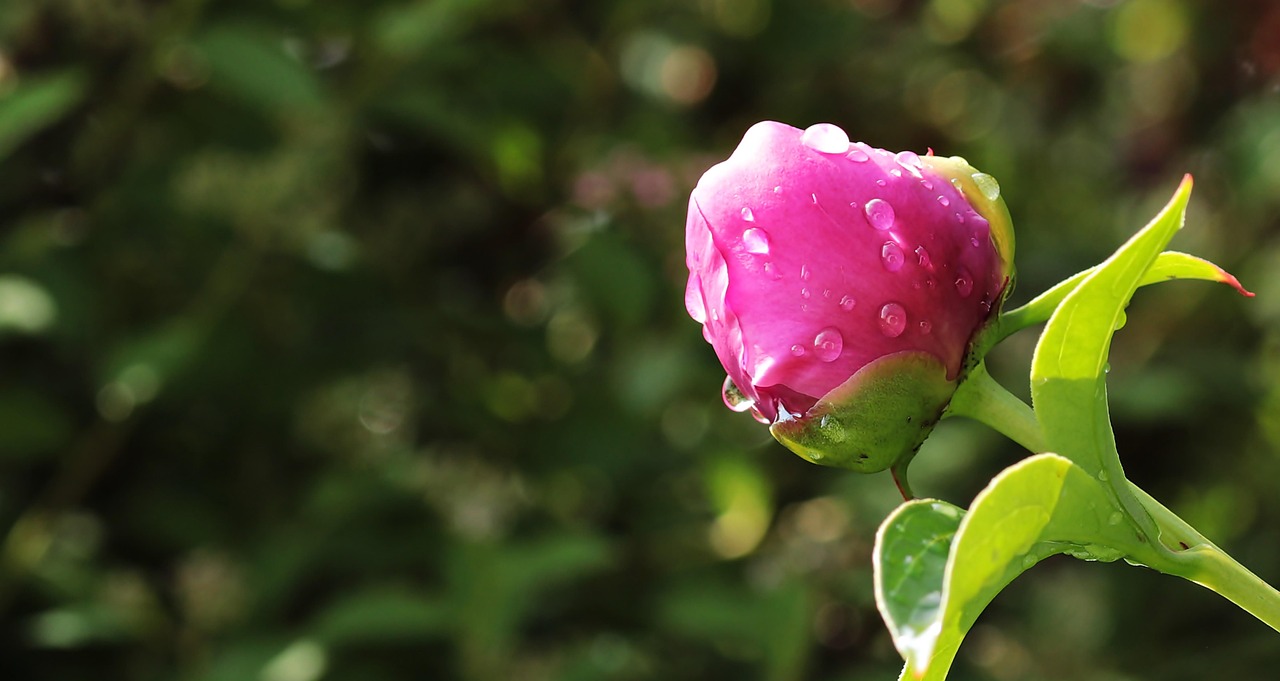
If you’ve ever admired the lush, romantic blooms of peonies in a garden, you’ve probably wondered what makes them thrive so beautifully. These stunning perennials have captivated gardeners for centuries with their layers of delicate petals and intoxicating fragrance. But behind their seemingly effortless beauty lies a crucial growing requirement that can make or break your peony garden: sunlight.
Understanding how much sun peonies need is essential for anyone hoping to cultivate these magnificent flowers successfully. Whether you’re a seasoned gardener or just starting your horticultural journey, getting the light conditions right will determine whether your peonies produce abundant blooms or languish in disappointing underperformance. In this article, we’ll explore the specific sunlight requirements for peonies, address common questions about their light needs, and even touch on how these requirements compare to other popular garden favorites like hydrangeas.
The Sunlight Requirements for Peonies
Do Peonies Need Full Sun?
The short answer is yes—peonies absolutely thrive in full sun conditions. These plants are sun-lovers at heart, and their blooming potential is directly tied to the amount of sunlight they receive throughout the growing season. Full sun, in gardening terms, typically means at least six to eight hours of direct sunlight per day. For peonies, this isn’t just a preference; it’s practically a requirement for optimal performance.
When peonies receive adequate sunlight, they develop strong stems, healthy foliage, and most importantly, those spectacular flowers we all adore. The sun’s energy fuels photosynthesis, which provides the plant with the nutrients it needs to produce those enormous, often fragrant blooms that can measure up to ten inches across in some varieties.
However, it’s worth noting that while peonies need full sun, they can tolerate partial shade in certain situations. In particularly hot climates, some afternoon shade can actually benefit the plants by protecting them from scorching heat. But as a general rule, the more sun your peonies receive, the better they’ll perform.
The Science Behind Sun-Loving Peonies
Peonies evolved in mountainous regions of Asia, Europe, and western North America, where they naturally grew in open meadows and hillsides with abundant sunlight. This evolutionary history has hardwired them to seek out and utilize direct sunlight efficiently. When planted in shadier locations, peonies will often grow taller and leggier as they stretch toward available light, resulting in weak stems that can’t support the weight of the heavy blooms.
Insufficient sunlight also impacts bloom production dramatically. A peony planted in too much shade might produce lovely foliage but few or no flowers—a disappointing outcome for any gardener who’s invested time and patience in these long-lived perennials. Some gardeners report that peonies in partial shade produce only a fraction of the blooms compared to those in full sun locations.
Ideal Planting Locations
When choosing a spot for your peonies, look for areas that receive morning sun, which is gentler and helps dry dew from the leaves, reducing fungal disease risks. Southern or southeastern exposures typically work best in most climates. Avoid planting peonies under large trees or on the north side of buildings where they’ll spend much of the day in shadow.
It’s also important to consider that peony light requirements remain constant throughout their impressively long lifespan—these plants can live for fifty years or more in the right conditions. What might seem like adequate sun when you plant a young peony could become too shady as nearby trees mature and expand their canopy. Plan ahead and choose locations that will maintain good sun exposure for decades to come.
Comparing Sun Needs: Peonies vs. Hydrangeas
Since we’re discussing sunlight requirements, it’s interesting to compare peonies with another garden favorite: hydrangeas. Many gardeners grow both plants and wonder how much sunlight hydrangeas need in comparison. Unlike peonies, hydrangeas are more flexible in their light requirements. Most hydrangea varieties prefer morning sun with afternoon shade, especially in warmer climates. They typically need about four to six hours of sun daily, with some varieties like oakleaf hydrangeas tolerating more shade than others.
This difference in sunlight needs actually makes peonies and hydrangeas excellent companion plants in many garden designs. You can plant sun-loving peonies in your brightest spots while positioning hydrangeas in areas with partial shade, creating a varied and interesting landscape that takes advantage of different light conditions throughout your yard.
Regional Considerations
The amount of sun peonies need can vary slightly depending on your climate zone. In northern regions with cooler summers, peonies can handle and actually benefit from all-day sun exposure. The mild temperatures mean the plants won’t experience heat stress even with constant sunlight.
In contrast, gardeners in southern zones with intense summer heat might find that their peonies appreciate some relief from the brutal afternoon sun. In these regions, a location with six hours of morning sun followed by dappled afternoon shade can represent the perfect compromise—providing enough light for excellent blooming while protecting the plants from excessive heat that can shorten bloom duration and stress the foliage.
Conclusion
Understanding how much sun peonies need is fundamental to growing these beloved perennials successfully. The answer is clear: peonies need full sun, ideally six to eight hours of direct sunlight daily, to reach their full potential and produce the abundant, spectacular blooms they’re famous for. While they can tolerate some shade, especially in hotter climates, compromising too much on sunlight will result in disappointing performance and fewer flowers.
As you plan your garden, remember that proper site selection is one of the most important decisions you’ll make for your peonies. Choose sunny locations thoughtfully, considering both current conditions and future changes as your landscape matures. The effort you put into finding the perfect sunny spot will be rewarded with decades of stunning blooms.
Whether you’re planting herbaceous peonies, tree peonies, or intersectional hybrids, giving them the sunlight they crave is the first step toward gardening success. And if you’re also growing hydrangeas, you’ll appreciate how these two plants’ different light needs can help you create a diverse, beautiful garden that makes the most of every sunny and shady corner of your yard. With the right amount of sunshine, your peonies will flourish and become the showstoppers of your spring garden for generations to come.