
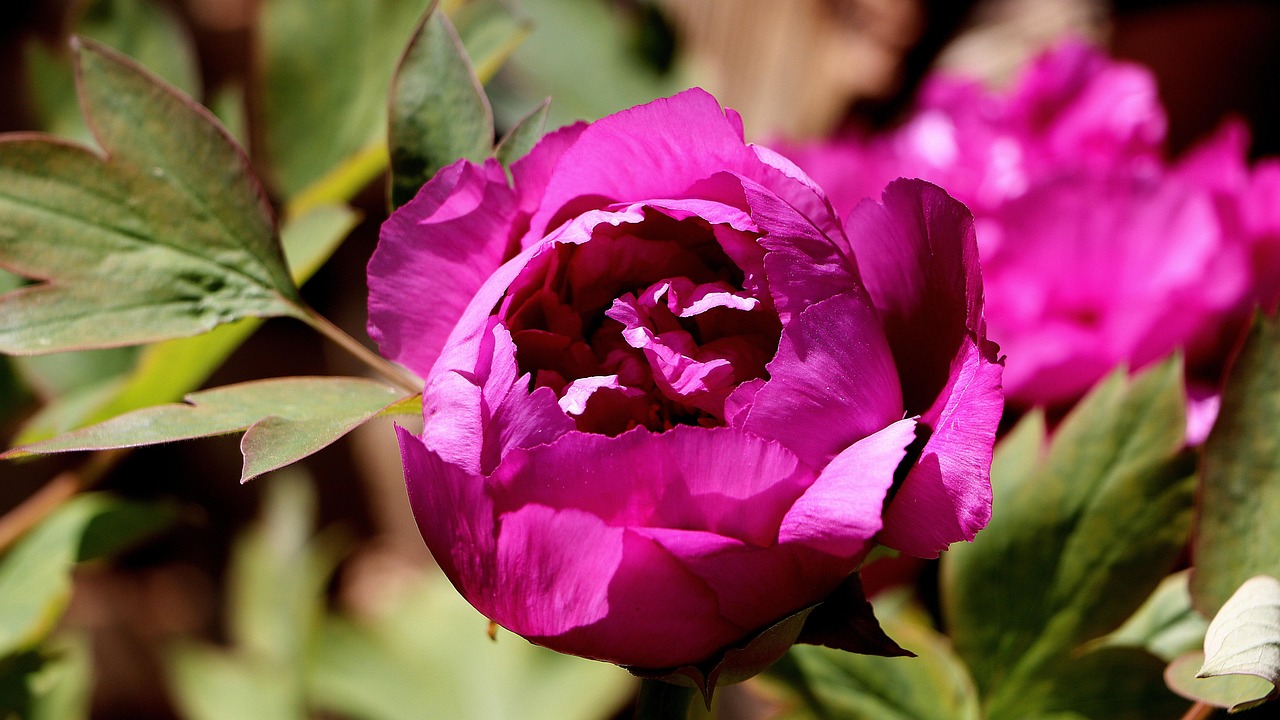
There’s something almost magical about peonies. These lush, fragrant blooms have graced gardens for centuries, and once you’ve seen a mature peony bush in full flower, it’s easy to understand why gardeners are so devoted to them. If you’re wondering how to plant peonies in your own garden, you’re embarking on a rewarding journey that will bring you years of spectacular spring displays.
The purpose of this guide is to walk you through everything you need to know about planting peonies successfully. Whether you’re a complete beginner or someone looking to expand their peony collection, understanding the proper planting techniques will make all the difference between a struggling plant and one that thrives for decades. Yes, decades—peonies are known to outlive the gardeners who plant them, often blooming faithfully for 50 years or more when given the right start.
Understanding Peonies and Their Needs
Before we dig into the soil, let’s talk about what makes peonies special. These perennials are surprisingly tough despite their delicate appearance. They’re cold-hardy, drought-tolerant once established, and relatively pest-free. However, they do have specific preferences, and honoring these preferences during planting will set you up for success.
Peonies need full sun—at least six hours daily, though they’ll tolerate some afternoon shade in hotter climates. They also require well-draining soil. This is crucial because peony roots are susceptible to rot if they sit in waterlogged conditions. The good news is that with proper preparation, most garden soils can be amended to meet their needs.
How to Plant Peony Roots: Step-by-Step
When you purchase peonies, they typically arrive as bare roots with several “eyes” or growing points visible. These knobby, reddish buds are where your future stems will emerge. Learning how to plant peonies roots correctly is the most important step in the entire process.
Timing matters tremendously. Fall is the ideal time for planting peonies, specifically September through October in most regions. This gives the roots time to establish before winter dormancy and spring growth. If you must plant in spring, do so as early as possible, but expect your peonies to take longer to settle in.
Start by choosing your location carefully. Pick a spot where your peony can remain undisturbed for years—they don’t appreciate being moved once established. Dig a hole about two feet wide and a foot and a half deep. This might seem excessive for a modest-looking root, but peonies develop extensive root systems over time.
Mix the soil you’ve removed with compost or well-rotted manure to improve drainage and add nutrients. If your soil is heavy clay, consider adding some coarse sand or perlite as well. Fill the hole back up partially, creating a small mound in the center.
Here comes the critical part: depth. The eyes on your peony root should be planted no more than two inches below the soil surface. This is where many gardeners make their biggest mistake. Planting too deep is the number one reason peonies fail to bloom. In warmer climates (zones 7-8), plant even shallower—just one inch deep.
Position the root over your soil mound with the eyes facing upward. Spread the roots naturally around the mound, then backfill with your amended soil mixture. Firm the soil gently but don’t compact it heavily. Water thoroughly to settle everything in place.
Peonies Plant Care: The First Years
Once you understand how to plant a peony, the next step is ensuring it thrives. The first year after planting, your peony is focusing its energy underground, developing a strong root system. Don’t be disappointed if you see minimal top growth or no flowers that first season—this is completely normal and actually healthy.
Water your newly planted peony regularly during its first growing season, especially during dry spells. Once established, peonies are quite drought-tolerant, but they need consistent moisture while getting settled. Aim for about an inch of water per week, either from rainfall or irrigation.
Fertilizing should be approached thoughtfully. Peonies aren’t heavy feeders, and too much nitrogen will give you lush foliage but fewer flowers. In early spring, as shoots emerge, you can apply a balanced fertilizer or a light top-dressing of compost. Some gardeners swear by a low-nitrogen, high-phosphorus fertilizer to encourage blooming. A second light feeding after flowering helps the plant store energy for next year’s display.
Mulching is beneficial but requires care. Apply a two to three inch layer of organic mulch around your peony, keeping it pulled back a few inches from the stems to prevent rot. This helps retain moisture, suppress weeds, and moderate soil temperature.
Supporting Your Peonies with Stakes
As your peonies mature and produce those glorious, heavy blooms, you’ll likely need to address support. This is where peony plant stakes become invaluable. There’s nothing more heartbreaking than seeing your beautiful flowers face-down in the mud after a rainstorm.
Peony plant stakes come in various styles, from simple bamboo canes to elaborate metal hoops and grids. The key is to install them early in the season, ideally when shoots are just six to eight inches tall. If you wait until the plant is fully grown, you risk damaging stems or creating an awkward, obvious support system.
My personal favorite is the circular grid-style support. These allow the peony foliage to grow up through the grid, effectively hiding the support structure while keeping those heavy blooms upright. The plant looks natural while getting the support it needs.
For herbaceous peonies (the most common type), place your support when stems are emerging. The foliage will grow through and around it, concealing the structure completely. For tree peonies, which have woody stems, staking is usually unnecessary except in very windy locations.
Common Challenges and Solutions
Even with perfect planting technique, you might encounter a few issues. The most common complaint is that peonies won’t bloom. If your peony has healthy foliage but no flowers, check these factors first: Is it planted too deep? This is the usual culprit. Did you fertilize with too much nitrogen? Are you cutting back the foliage too early in fall?
Peonies need their leaves until they naturally yellow in autumn—this is when they’re storing energy for next year’s blooms. Cutting foliage back prematurely can result in no flowers the following season. Wait until after the first hard frost when leaves have died back naturally.
Ants crawling on peony buds often alarm gardeners, but they’re actually harmless. Ants are attracted to the sweet nectar produced by developing buds, but they don’t damage the flowers. No intervention is necessary.
Long-Term Peony Success
Once established—typically after three years—peonies are remarkably low-maintenance. They’ll reward your initial efforts with increasingly spectacular displays year after year. Some varieties can produce 50 or more blooms on a single mature plant.
Division is rarely necessary, but if you want to propagate your peonies or rejuvenate a very old clump, early fall is the time. Carefully dig up the entire root system and divide it with a sharp knife, ensuring each division has at least three to five eyes. Replant divisions following the same depth guidelines as for new plants.
Conclusion
Learning how to plant peonies properly is an investment in your garden’s future. These magnificent perennials ask relatively little of us—the right planting depth, good drainage, full sun, and patience—and in return, they offer decades of stunning blooms and delightful fragrance.
Remember the key points: plant in fall when possible, keep those eyes shallow at no more than two inches deep, provide support with peony plant stakes as plants mature, and practice patience during the establishment period. Peonies plant care becomes minimal once they’re settled, making them one of the most rewarding perennials you can grow.
As you stand back and admire your first peony blooms, perhaps in year two or three after planting, you’ll understand why gardeners treasure these plants so deeply. They represent continuity, beauty, and the simple joy of working with nature. Your peonies may very well outlive you, blooming for future generations who will wonder at the gardener who planted them so thoughtfully. That’s not just gardening—that’s creating a living legacy.