
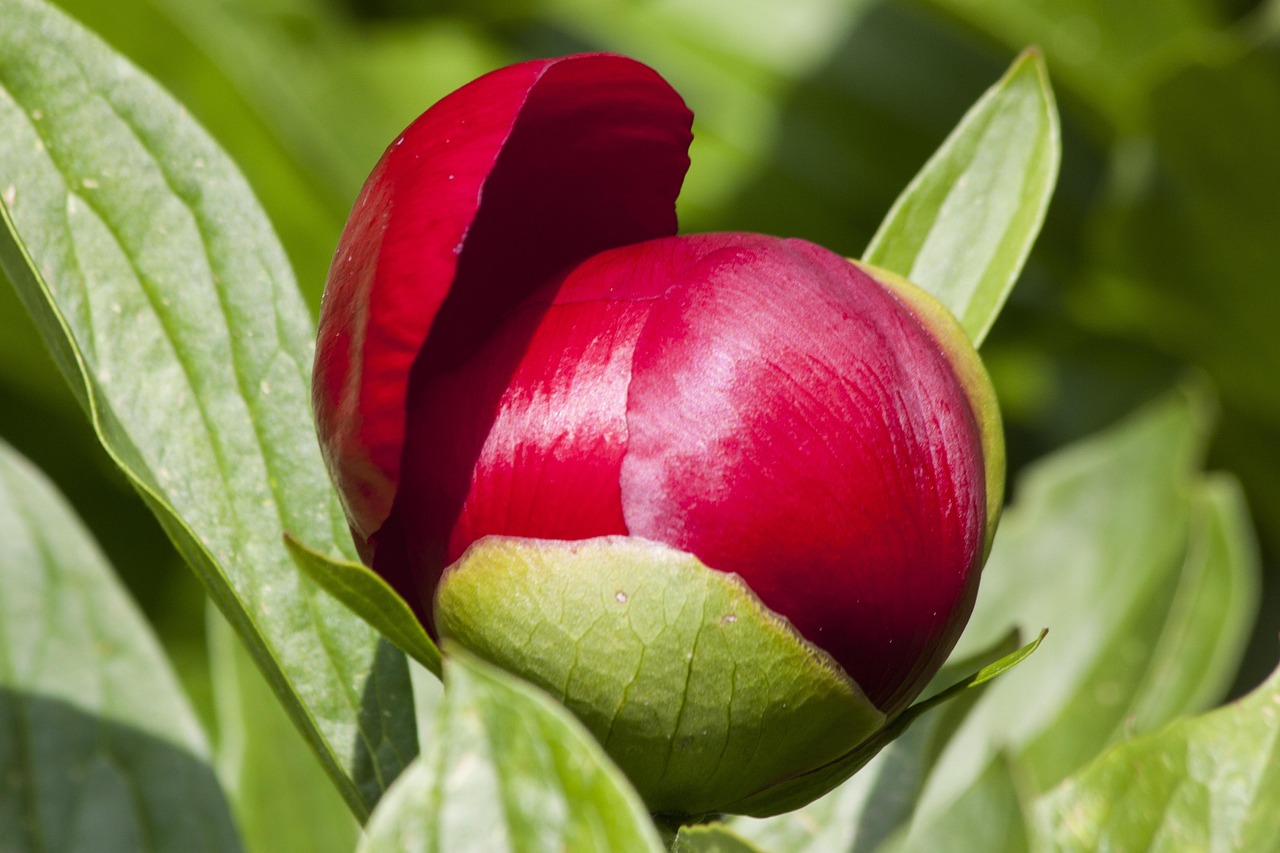
Presentation of the topic.
Peonies have a reputation for being stately, long-lived perennials that prefer open garden beds. But what if you don’t have a garden—only a balcony, patio, or small courtyard? Many gardeners ask Will peonies grow in pots because they love those big, ruffled blooms and want them close to home.
Objective.
This guide walks you through growing peonies in a pot from start to finish—choosing the right variety and container, planting depth, soil mix, feeding, staking, and seasonal care—so you can enjoy years of flowers even in a compact space.
The Guide
The Short Answer (and a couple of funny search terms)
- Will peonies grow in pots: Yes—beautifully—if you pick a large container, plant at the correct depth, and keep drainage on point.
- You might even see people type can ponies grow in containers (typo and all). If what you meant was peonies, the answer is yes.
- Another common phrase is can you plant peonies in a plot. If you meant plot (the ground), yes; if you meant pot, absolutely—this article focuses on containers.
Choosing the Right Peony (and Pot)
- Varieties. Herbaceous peonies and Itoh (intersectional) peonies adapt best to containers. Tree peonies can work in very large tubs but are less forgiving. If space is tight, choose compact herbaceous cultivars.
- Container size. Think big from day one. Aim for at least 40–50 cm (16–20 in) diameter and similar depth, with large drainage holes. Terra-cotta breathes but dries fast; glazed ceramic or high-quality resin hold moisture better and are easier to move.
- Placement. Peonies want 6–8 hours of sun. On a blazing, reflective balcony, offer afternoon shade or tuck the pot where it gets morning light.
Soil Mix & Planting Depth (the make-or-break bit)
Getting depth right is the #1 secret for growing peonies in a pot that actually bloom.
- Soil recipe. Use a free-draining, fertile mix: roughly 2 parts high-quality potting mix + 1 part compost + 1 part perlite or fine grit. Avoid heavy, peat-only mixes that stay soggy.
- Drainage layer? Not necessary if your mix is airy and the pot drains well; instead, ensure holes aren’t blocked.
- Planting depth (critical!). Place the peony so its “eyes” (pink buds on the crown) sit 2.5–5 cm (1–2 in) below the surface. Too deep = lush leaves, few flowers.
- Timing. Best in autumn for bare-root plants; potted peonies can be shifted in spring, taking care not to disturb roots.
Watering, Feeding, and Daily Care
- Watering. Water deeply, then let the top few centimeters dry before watering again. Consistency is key—avoid the flood-and-forget cycle. In heat waves, you may need to water more often; in cool spells, less.
- Feeding. In early spring, scratch in a balanced, slow-release fertilizer (not too nitrogen-heavy). Top up with a light compost dressing after flowering. Overfeeding = foliage party, bloom slump.
- Mulch. A thin (not smothering) layer of fine bark helps regulate moisture and temperature.
Support and Grooming
- Staking. Big flowers can flop after rain or wind. Use low, discreet peony rings or gentle ties. Even in pots, those blooms get heavy—preempt the droop.
- Deadheading. Snip spent flowers just above a leaf set. Don’t remove masses of foliage—your plant needs those leaves to recharge for next year.
- Tidying. In late autumn, cut herbaceous stems to the base and clear debris to reduce disease pressure.
Seasonal Strategy (especially for balconies)
- Spring. Rotate the container every few weeks for even growth. Watch for early botrytis in cool, damp weather—good air flow helps.
- Summer. Keep soil evenly moist. If heat is extreme, move the pot to light afternoon shade.
- Autumn. Best time to plant or repot. Refresh the top 5–8 cm of mix if you’re not repotting fully.
- Winter. Peonies need cold to set buds. In very cold regions, keep the pot off bare concrete, clustered with other containers for insulation, or wrap the pot (not the crown) with fleece or burlap. Do not bring peonies into a warm living room; they need their chill.
Repotting and Longevity
Peonies dislike frequent disturbance, but container plants benefit from a refresh every 3–4 years:
- Lift carefully in autumn.
- Trim circling roots lightly; divide only if you want new plants (each division needs 3–5 eyes).
- Repot into fresh mix, resetting the crown at the correct depth.
Troubleshooting Quick Hits
- Lots of leaves, no flowers: Crown is too deep, not enough sun, or overfertilized with nitrogen.
- Floppy stems: Stake earlier; avoid overwatering and excessive shade.
- Blackened shoots (botrytis): Improve airflow, remove affected parts, keep the crown from staying wet.
- Container dries out too fast: Bigger pot, add more compost, consider a less porous container.
Key Ideas at a Glance
- Big pot, bright sun, airy soil.
- Crown depth 2.5–5 cm below the surface.
- Steady moisture, modest feeding.
- Stake early, clean up in autumn.
- Chill is good; warmth in winter is not.
Conclusion
Yes, you can grow peonies in containers—in fact, growing peonies in a pot brings those dreamy blooms right to your doorway. Choose a large, well-drained container, set the crown shallow, give full sun, water consistently, and offer subtle support for those heavyweight flowers.
If you came here wondering Will peonies grow in pots, now you know they do—and splendidly. And if your search history includes can ponies grow in containers or can you plant peonies in a plot, consider this your friendly nudge: for peonies in pots, the steps above will set you up for success.
Peonies reward patience. Plant them right once, keep their routine simple, and they’ll pay you back with years of jaw-dropping blooms—even on a small city balcony.